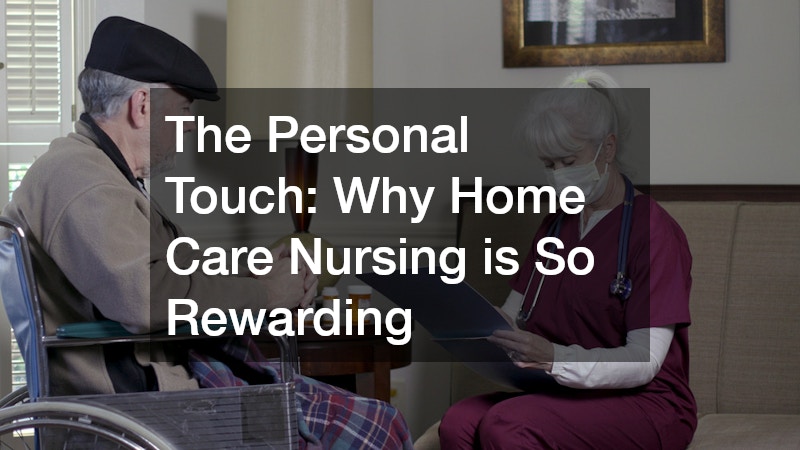

Discover the rewarding aspects of home care nursing, highlighting personal connections and the impact on patient lives. Home care nursing offers a chance to care for patients in their own homes, creating deeper relationships and a holistic healthcare approach.
Home Care Nursing vs. Hospital Nursing
Personalized Patient Care
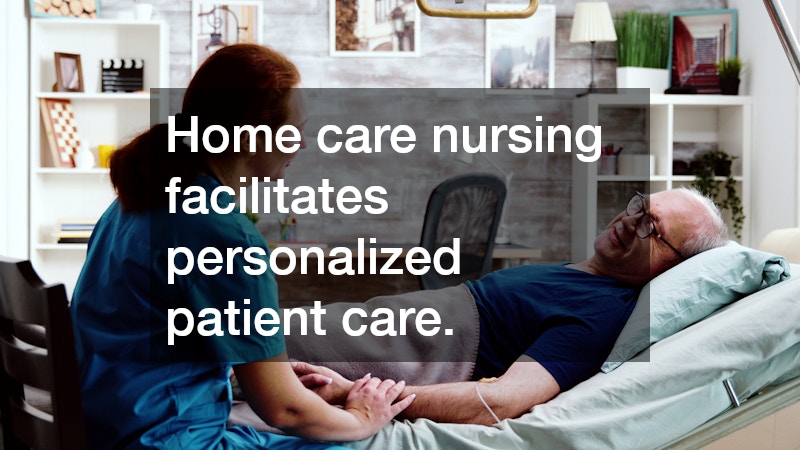
Home care nursing facilitates personalized patient care. Unlike hospitals, where standardized protocols are followed, home care nurses can tailor care plans to fit specific patient needs, considering individual circumstances and preferences for more effective outcomes.
Home care nurses often work with patients for longer periods, allowing them to see intervention effects over time. By closely monitoring health changes, they can identify issues early and take preventive actions, distinguishing home care from hospital nursing.
Home care also offers a holistic view of a patient’s life and health, as nurses observe firsthand the home environment, family dynamics, and routines that affect health.
Building Strong Relationships
Building relationships is vital in home care nursing. The home setting allows for significant bonds with patients and families, unlike hospital interactions. Trust is fundamental for effective healthcare, making home care nurses integral to patients’ lives.
Relationships nurtured in home care positively affect patient health. Supported and understood patients follow care regimens and communicate health concerns openly, leading to improved outcomes and a satisfying nursing career.
Flexibility and Environment
Flexibility appeals to many in home care nursing. It offers adaptable working hours, unlike rigid hospital schedules. This flexibility benefits nurses seeking a better work-life balance, allowing them to plan care around personal commitments.
The home care environment differs from hospitals. Being in a patient’s home provides a more relaxed setting, enabling nurses to focus on patient care without hospital distractions.
Being in their natural environment means patients are more relaxed and open. Nurses use home dynamics and resources to deliver truly patient-centered care, showcasing home care nursing’s rewarding and effective nature.
Challenges and Rewards of Home Care Nursing
Addressing Diverse Needs
ome care nursing involves managing diverse patient conditions and needs, presenting both challenges and opportunities. Adapting to these needs is challenging yet rewarding.
Catering to diverse needs helps nurses gain expertise across medical disciplines. Home care nurses serve as primary caregivers, managing multiple health aspects.
Emotional Fulfillment
The emotional rewards of home care nursing extend beyond caregiving. Witnessing the positive impact of care in patients’ lives is a powerful motivator.
Nurses often receive profound gratitude from patients and families, which is meaningful in home care settings. This appreciation contributes to nurses’ job satisfaction and well-being.
The emotional aspect extends to personal growth. Skills like empathy and patience are invaluable both personally and professionally.
Navigating Home Dynamics
Navigating patients’ home dynamics presents challenges and rewards. Nurses must be mindful of household dynamics and environments, requiring adaptability and cultural sensitivity.
Nurses balance professional responsibilities with being a guest in someone’s home, requiring clear boundaries, empathy, and compassion.
From safety measures to dietary adjustments, nurses advocate for comprehensive health improvements, enriching their home care nursing experience.
Home Care Nursing and Patient Health Outcomes
Continuous Monitoring and Support
Continuous monitoring in home care enhances patient outcomes, allowing nurses to maintain a close watch on health status. This proactive care prevents complications and improves health outcomes, offering patients reassurance.
Nurses offer emotional and social support, crucial for patients who might feel isolated or overwhelmed. This comprehensive approach underscores the critical role of home care nursing in patient management.
Promoting Patient Independence
Home care nursing emphasizes promoting patient independence, crucial for quality of life. By focusing on education and skill-building, nurses empower patients to manage health autonomously, significantly improving satisfaction and well-being.
Nurses provide personalized coaching, guiding patients in daily activities and health management, fostering motivation and pride.
Promoting independence supports seamless care transitions, reducing readmission rates and enhancing long-term outcomes.
Quality of Life Improvements
Home care nursing enhances quality of life for patients and families. Receiving care at home allows patients to maintain familiar routines and community connections, crucial for mental well-being.
Nurses address physical, emotional, and social needs holistically, implementing comprehensive plans that enhance well-being.
Personalized attention often results in longer, happier lives for patients. Witnessing these improvements provides nurses a profound sense of purpose and satisfaction, demonstrating home care nursing’s value in healthcare.
By positively impacting lives, home care nurses find satisfaction and purpose in their work. As healthcare evolves, home care nursing remains essential, offering opportunities for reward and growth.