
Highlights
-
Vitamin IV drips deliver vitamins, minerals, and fluids directly into the bloodstream, bypassing the digestive system.
-
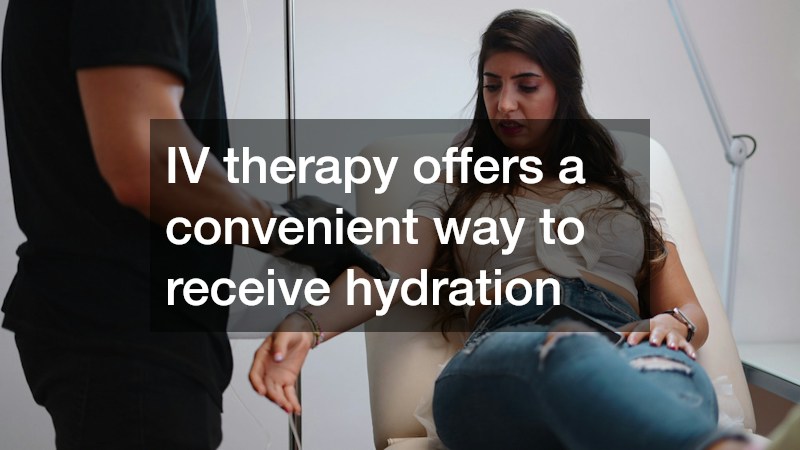
IV therapy offers a convenient way to receive hydration and selected nutrients in a professionally supervised setting.
-
Different infusion formulas can be tailored to individual wellness goals and nutritional needs.
-
Hydration and correction of certain nutrient deficiencies are established medical applications of intravenous treatment.
-
Choosing a qualified provider is important for ensuring appropriate ingredients, dosing, and administration.
-
Vitamin IV drips can complement a healthy lifestyle, although individual experiences and benefits vary.
How Do Vitamin IV Drips Work?
Vitamin IV drips work by delivering fluids and selected nutrients directly into the bloodstream through a small intravenous catheter. Unlike oral vitamins, which must pass through the digestive system, intravenous administration allows nutrients to enter circulation without relying on gastrointestinal absorption.
This makes IV therapy a useful delivery method in certain medical situations and an increasingly popular option among people exploring personalized wellness services. Formulas may contain B vitamins, vitamin C, electrolytes, magnesium, or other ingredients depending on the treatment and provider. According to the National Institutes of Health Office of Dietary Supplements, vitamins and minerals support numerous essential bodily functions. Vitamin IV drips provide another method of delivering these nutrients, particularly when individual circumstances make intravenous administration appropriate.
What Are the Potential Benefits of Vitamin IV Therapy?
Vitamin IV therapy offers several potential advantages, particularly when hydration or specific nutrient needs are involved. One of its most recognizable features is direct delivery into the bloodstream, which eliminates the gastrointestinal absorption step required for oral supplements. Intravenous fluids can also restore hydration when medically indicated. For individuals with certain nutrient deficiencies or absorption difficulties, intravenous administration may be an appropriate treatment option under medical supervision. Wellness providers also offer formulas designed around goals such as supporting normal energy metabolism, replenishing fluids, and maintaining nutritional wellness. The extent of any benefit depends on the ingredients, dosage, and individual receiving treatment. A consultation with a qualified provider can help determine whether a particular infusion aligns with someone’s health history and wellness objectives.
What Ingredients Are Commonly Found in Vitamin IV Drips?
Vitamin IV drips can contain different combinations of vitamins, minerals, and fluids. The ingredients selected depend on the formulation and the goals of the treatment. Common components include:
-
Vitamin B12: Supports normal red blood cell formation and neurological function.
-
B-complex vitamins: Participate in energy metabolism and other essential processes.
-
Vitamin C: Contributes to antioxidant protection and normal immune function.
-
Magnesium: Supports muscle, nerve, and other physiological functions.
-
Electrolytes: Help maintain fluid balance and normal cellular activity.
-
Saline solutions: Provide fluids for hydration.
-
Additional nutrients: May be included when appropriate for a particular formulation.
Not every infusion contains these ingredients, and not every ingredient is necessary for every person. Professional guidance helps ensure that selected nutrients and doses are appropriate.
Can Vitamin IV Drips Support Hydration?
Yes, intravenous fluids can effectively provide hydration because they deliver fluid directly into circulation. IV hydration is an established medical intervention when someone needs fluid replacement and oral hydration is inadequate or inappropriate. For elective wellness services, the potential value depends on the person’s hydration status and circumstances. Someone who is already adequately hydrated may not need additional intravenous fluids, while another individual may have a specific reason to discuss hydration therapy with a health care professional. Electrolytes may also be included in certain formulations to help address fluid and mineral balance when indicated. Vitamin IV drips can therefore offer a direct approach to hydration, although ordinary drinking remains sufficient for most routine hydration needs. A qualified provider can help determine when an infusion is appropriate.
What Wellness Goals Can IV Therapy Complement?
People explore vitamin IV drips for a variety of personal wellness goals. While the results of elective infusions vary, providers may offer formulations organized around different priorities. Common areas of interest include:
-
Hydration: Receiving fluids through intravenous administration.
-
Nutritional support: Supplementing selected vitamins or minerals when appropriate.
-
Energy metabolism: Providing nutrients involved in normal cellular energy processes.
-
Immune health: Supplying vitamins that contribute to normal immune function.
-
Active lifestyles: Exploring hydration and nutrient needs associated with physical activity.
-
General wellness: Incorporating professionally administered treatments into a broader health routine.
These categories describe potential treatment goals rather than guaranteed outcomes. The most appropriate infusion depends on individual needs, and IV therapy should complement rather than replace nutrition, sleep, physical activity, and regular medical care.
How Can B Vitamins Contribute to Overall Wellness?
B vitamins play important roles in energy metabolism, neurological function, and other processes that help the body operate normally. Vitamin B12, for example, contributes to red blood cell formation and nervous system health. The NIH Office of Dietary Supplements’ Vitamin B12 Fact Sheet describes its importance in several essential biological functions. For individuals with a deficiency, correcting inadequate vitamin B12 levels can provide meaningful health benefits. Vitamin IV drips containing B vitamins offer one delivery option, although oral supplements or injections may be more appropriate depending on the situation. Receiving additional B vitamins does not necessarily increase energy in someone whose levels are already adequate. A knowledgeable provider can help explain how specific ingredients relate to normal bodily functions and whether supplementation makes sense.
Why Does Choosing a Qualified IV Therapy Provider Matter?
Choosing a qualified provider helps ensure that vitamin IV drips are administered using appropriate medical procedures and individualized considerations. Because IV therapy involves accessing a vein, professional training, sterile preparation, and proper monitoring are important. The U.S. Food and Drug Administration provides safety information concerning compounded medications, including issues relevant to sterile preparation. Reputable IV therapy providers should review medical history, discuss ingredients, explain potential side effects, and determine whether a treatment is appropriate before proceeding. Clients should also feel comfortable asking about the qualifications of the person administering the infusion. Although complications are possible with any intravenous procedure, careful screening and appropriate clinical practices help providers manage foreseeable risks and support a more informed treatment experience.
How Can You Prepare for Your First Vitamin IV Drip?
Preparing for a vitamin IV drip begins with understanding the treatment and communicating openly with the provider. Before your appointment, review the available formulas and consider what you hope to accomplish. Be prepared to discuss existing medical conditions, medications, allergies, supplements, and previous experiences with intravenous treatments. Your provider may offer specific instructions about eating, drinking, and other preparations before the appointment. During the consultation, ask which ingredients are included, how long administration generally takes, and what sensations or side effects you might experience. You should also understand what to expect afterward and whether any follow-up is recommended. This preparation helps ensure that the treatment is selected with your individual circumstances in mind rather than simply choosing a formula based on its name.
Are Vitamin IV Drips Worth Considering for Your Wellness Routine?
Vitamin IV drips can be worth considering for individuals interested in professionally administered hydration and nutrient support. Their direct delivery method offers a distinct alternative to oral supplementation, while the availability of different formulations allows providers to discuss treatments in relation to personal wellness goals. IV therapy has established applications for hydration and certain nutritional needs, although benefits from elective wellness infusions depend on the individual and the specific treatment.
The best approach is to view vitamin IV drips as one possible component of a broader wellness routine. Good nutrition, sufficient sleep, regular activity, and appropriate medical care remain essential, while IV therapy may serve a complementary role when suitable. By choosing a qualified provider, discussing health needs, and understanding the ingredients involved, individuals can explore vitamin IV drips with realistic expectations and greater confidence in their decisions.